
Simple guide to making your own nourishing, natural facial and body scrubs at home.
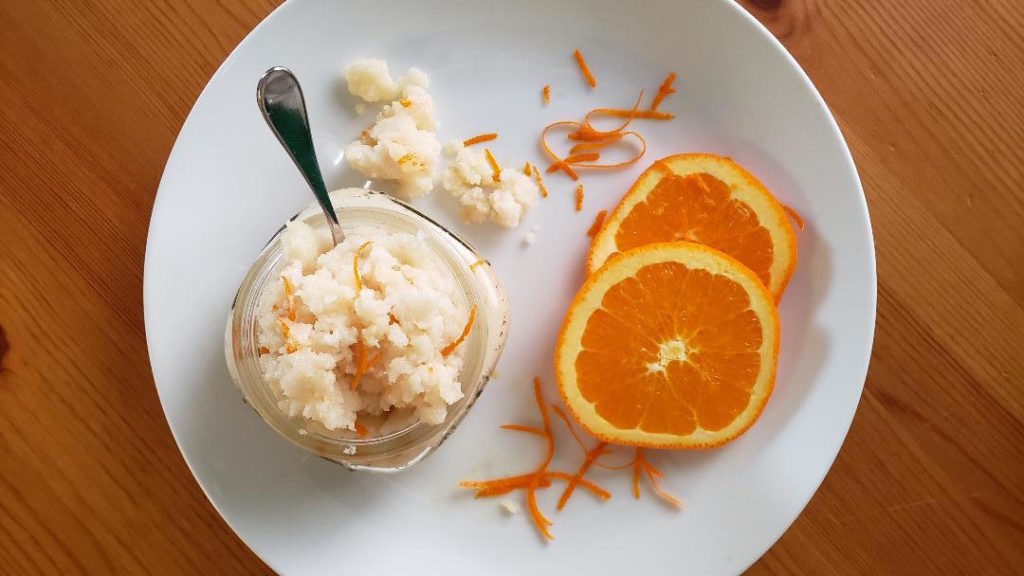
I realized my face looked like it was falling apart (working long hours, never enough sleep, questionable diet and slipping habits… I blame kids. lol) and I needed to do something about it STAT.
Before I started slapping random ingredients on my face I needed to know why and how. I combed the internet…
Here’s a little organization and strategy for you…
- Exfoliants– something that removes dead cells from the surface of the skin.
- Humectants– absorb moisture from the air around you and pull it into the skin.
- Emollients– fill in the cracks with fatty acids.
- Occlusives– create the physical barrier that keeps moisture in.
Applying these backwards could get you nowhere, wasting your time and money. It would be pointless to try and pull moisture into the skin after you’ve put up your barrier! Let’s break this down a bit and dive into our pantry so that you have no fear whipping up some homemade magic…
Amazing, pure, affordable, healthy complexions here we come!
Before we get started let’s acknowledge that everyone’s skin is different. Please do not use ingredients you are allergic to. Unsure? Test a small amount on your inner arm and wait 24 hours.
Exfoliators gently remove dead skin cells
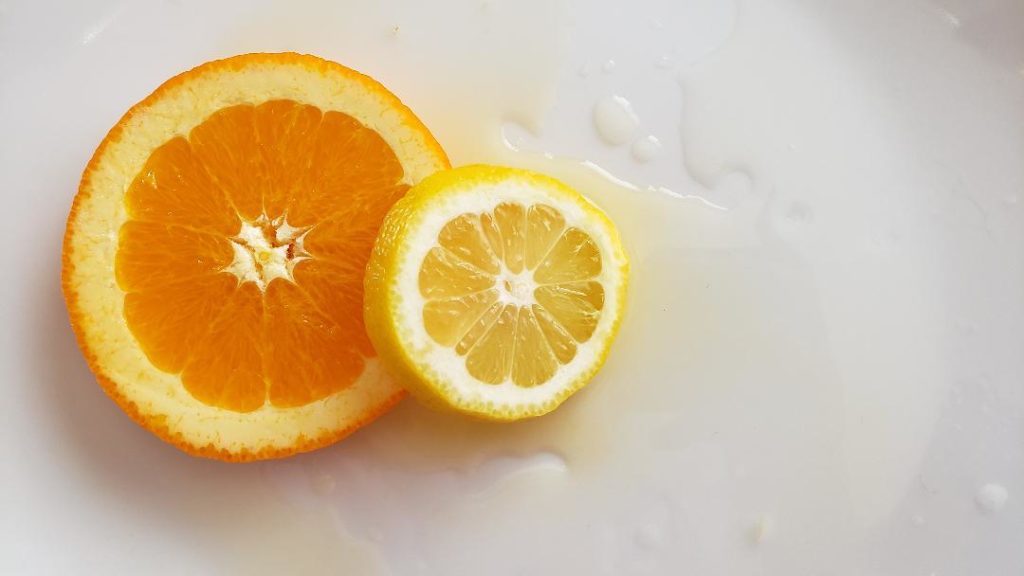
- Lemon juice– Natural alpha hydroxy acid that helps break up and clear away dead skin cells. Fresh lemon smells like a sunny morning to me!
- Fresh squeezed orange juice– Citric acid makes for a great exfoliator while also drying out acne and preventing scarring. Simply take a half an orange (grate some zest into your scrub for later) then squeeze the juice onto a cotton pad to refresh your face.
- Yogurt or sour cream– Lactic acid stimulates collagen renewal thus tightening skin and softening the appearance of age spots and wrinkles.
- Buttermilk– Contains an even higher percentage of lactic acid than yogurt. Sign me up.
- Green papaya– Contain an enzyme papain which aids in dissolving dead skin cells.
- Sugar– The granules themselves physically slough off dead skin when gently massaged into the skin. (Soft) brown sugar and baker’s sugar are slightly less gritty feeling and can be less harsh to more tender, sensitive skin. I personally use baker’s sugar for my facial scrubs. Glycolic acid found in sugar boosts new skin production. Most glycolic acid found in beauty products is synthetic form. Bonus- sugar also acts as a humectant!
- Sea salt– So many minerals! Physically removes old skin cells. Anti-inflammatory and helps to balance oil production.
- Apple cider vinegar or white vinegar– The acetic acid aids in unclogging pores and exfoliation. Antimicrobial properties make this ingredient well suited to those prone to acne. Folks have been using vinegar this way for over 2,000 years.
- Oats- Are natural cleansers. They contain compounds called saponins, which remove the dirt and oil that clog the pores and exfoliate the skin. Oats help to relieve itching and redness… oh so soothing. To add to a face mask I like to pulse them in the blender super quick just to break them up a bit. This helps them form a better paste and prevents them from clogging the drain.
- Ginger– Can be fresh grated into your preparations as it works like a natural toner and contains a ton of antioxidants to keep your skin happy. Improves elasticity and reverses sun damage all while treating inflammation.
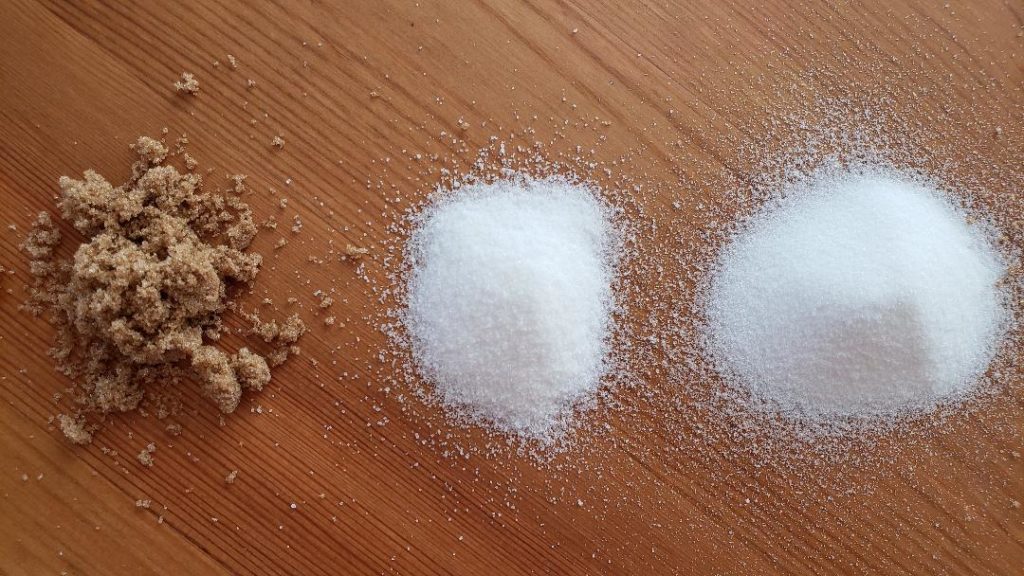
Humectants attract and hold moisture from the air on/in your skin
How amazing is that?
- Lactic acid– As in that yogurt, sour cream and buttermilk listed above can pull double duty. Yes please.
- Raw honey– Moisturizes and soothes irritated skin and encourages wound healing with it’s antiseptic qualities. It can also help fight rashes and reduce scars. Raw honey contains small amounts of gluconic acid and other alpha hydroxy acids which help brighten your complexion by removing dead tissue. Try using as a “mask” on your face, leaving it for 15-20 minutes before rinsing off. This helps reduce fine lines and tames acne leaving your skin plumper and brighter. Feels fantastic!
- Aloe vera gel– Highly anti-inflammatory, loaded with antioxidants and vitamins A and C as well as enzymes. Assists in new cell growth. Known for it’s soothing qualities. Can be applied several times daily. Great for burns, dry skin and evening out skin tone (thanks to the compound inside the skins called aloin.)
- Sugar– If using sugar as a humectant I’d avoid mixing it with any heavy emollients or occlusives so that it can really come in contact with the skin to help draw in moisture. Think lemon, papaya or creams. When mixed with heavy oils it has more of an abrasive quality better suited for physically removing dead skin which is great too.
- Glycerin– or glycerol is a component of all vegetable and animal fats/oils and has a ton of uses from cosmetics to sweetening foods. I mention it here because it is a classic humectant found in a zillion beauty products and can be easily purchased on amazon. It’s worth mentioning that glycerin only helps pull moisture from the air when the humidity is over 65%. Apparently if there is not enough moisture in the surrounding air it will instead pull moisture from the deeper layers of skin to the surface thus allowing precious moisture to evaporate more easily. Thanks, but no thanks? Glycerin could be your best friend if you use it correctly.
Emollients soften skin
Nourishing health food for your skin! Fatty acids fill in spaces between cells by replacing lost or damaged lipids (fats) which smoothes and prevents evaporation.
Think: lotions, creams, ointments and bath oils.
What to use as a natural face moisturizer?
- Raw fresh avocado– Packed with all kinds of goodies such as antioxidants, potassium, fatty acids, lutein, vitamins A, D, and E which can penetrate the skin treating age spots, soothing sunburn and boosting collagen. Anti inflammatory. How soothing would a refrigerated avocado face mask feel?!
- Egg yolks/whites– Don’t knock it ’til you try it! Egg yolks have all the fatty acids you are looking for while egg whites help tighten the skin and reduce those pores. In foods it’s used as a humectant. While you’re at it whip up a hair mask too and then rinse it all off in the shower when you’re done! Or try a whipped egg and yogurt face mask.
- Orange zest– Contains more vitamin C than the juice. The peel also contains natural oils to help moisturize. Try grating some zest into a scrub.
- Olive oil (oleic acid)- Olive oil contains antioxidants. Olive oil also contains squalene which is known to reduce wrinkles, eliminate scars, lighten freckles and skin pigmentation, reversing sun damage and fighting free radicals while in concentrated form. Not bad. No wonder Cleopatra was such a fan!
- Coconut oil– Anti-fungal, anti-viral, anti-bacterial and anti-inflammatory. High in lauric acid which gives coconut oil its antimicrobial properties which means it fights the same bacteria that cause acne. From what I’ve been reading, a lot of people suffering from acne have found great relief using coconut oil. If you have acne prone skin start with lighter applications.
- Sesame oil– Anti-inflammatory and high in antioxidants which help prevent sun damage. Apparently sesame oil has the potential to block out 30% of the UV rays while olive and coconut oils block only about 20%. It’s also used to nourish hair.
- Jojoba oil– Super moisturizing, won’t clog pores and is great for cleansing skin and preventing razor burn. Rich in iodine which helps fight breakouts. Vitamin E and B complex speed healing. Great for lips and hair too!
- Macadamia oil– This non-greasy oil is similar to the oils your own body produces. Known to be tolerated by most skin types including those with acne prone skin. Macadamia oil also contains squalene and oleic acid which assists with cell regeneration. Sweet.
- Flax seed oil– Is not just for seasoning you cast iron pans! It makes a great hair mask to keep hair healthy and shiny. With loads of omega-3 fatty acids flax seed oil can do wonders moisturizing and protecting your skin. No oil, just seeds? Try crushing up flax seeds for use in a scrub.
- Sweet almond oil– The vitamin E in sweet almond oil helps protect from UV damage. Apply especially to the delicate areas around the eyes. Great for lips, hands and cuticles too.
Occlusives are the physical barrier keeping moisture on the skin locking in the moisture.
Think: waxes and heavier oils.
Perhaps you wont want to slather these directly on your face but rather add them to emollients. If you are adapting any of this for homemade body scrubs or treatments you may enjoy the heavier, thicker feel. Who doesn’t love a rich, nourishing body butter on freshly shaved legs?
- Mineral oil– There’s a lot of contradictory articles out there on this one. If I had to boil it down I’d say that the molecular structure of mineral oil is too large to be properly absorbed by the skin so it tends to rest on top thus making it a decent occlusive. It can be a great addition to body scrubs but I’d avoid using it regularly on the face or anywhere you’re more prone to break outs. I’d use this in a pinch but if you have something better on hand, use that!
- Avocado oil– Nutrient dense including vitamin E. Extremely soothing for sun burns, psoriasis and eczema. Treats and prevents acne with its anti-inflammatory properties.
- Shea butter– Anti-inflammatory and loaded with nourishing fatty acids and vitamins. Tends to not clog pores. Thank you.
- Petroleum jelly– Can be used to seal in moisture especially in cases of severely dry skin. We all know how thick this stuff is! Most commonly used for lips.
- Castor oil– Ricinoleic acid can inhibit growth in the bacteria that cause acne. It has anti-bacterial and antioxidant qualities. Castor oil is pretty thick so mixing it with another carrier oil could be wise.
- Cocoa butter– Loaded with vitamins and antioxidants. Deeply hydrating and great for lips! Improves skin elasticity. Take caution using this on acne prone skin as this oil is rather heavy and could potentially clog pores. Can I just say how much I love having this particular oil on hand.
- Soybean oil– Soy may have anti-aging properties as well as many phytochemicals that fight against free radicals. Soy has been shown to stimulate collagen leading to fullness and elasticity of the skin.
- Bees wax– Can be added to facial preparations as an occlusive that does not clog pores. Especially good for psoriasis or eczema. Bees wax can support cell reconstruction due to it’s higher levels of vitamin A. Can be purchased on amazon (like everything else) and is great to have on hand just in case you want to whip up a lip balm!
It’s worth noting that the difference between emollients and occlusives can seem a bit blurred at times. Emollients are meant to soften and smooth the skin but can also have occlusive qualities. If the oil or butter tends to stay on top of he skin, not fully absorbing after 5 minutes, then chances are it will make a better occlusive.
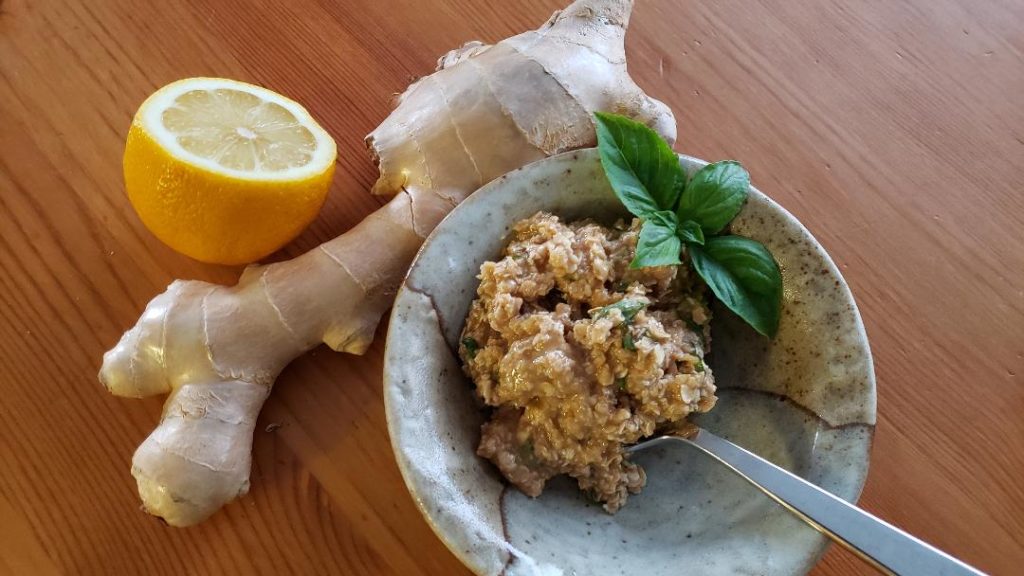
How do I make a DIY facial scrub?
Glad you asked.
You can take almost any combination of the exfoliators and humectants listed above to create some really amazing facial scrubs. Most can be left on for 15-20 minutes then gently rinsed off with warm water.
I would use caution with the lemon juice and vinegar as both would be a bit hash if used in full concentration and can also curdle the milks/creams. To use lemon juice or vinegar on their own, dilute with a bit of water and apply using a cotton ball. Lightly massage in, rinse.
My absolute go to is sugar mixed with a bit of honey, then a squeeze of lemon. With wet fingers I gently massage into my face and let it sit for 15-30 minutes (trying not to lick it off my face!). After I rinse it off and pat dry I am always impressed with how amazing my skin feels. Lock in that moisture with an emollient/occlusive combo and you’re good to go!
Feeling like a DIY spa day?
Create a facial mask of mashed avocado or paint on some raw eggs and let it set for 10-20 minutes and rinse off. Finish with an oil to seal in the moisture.
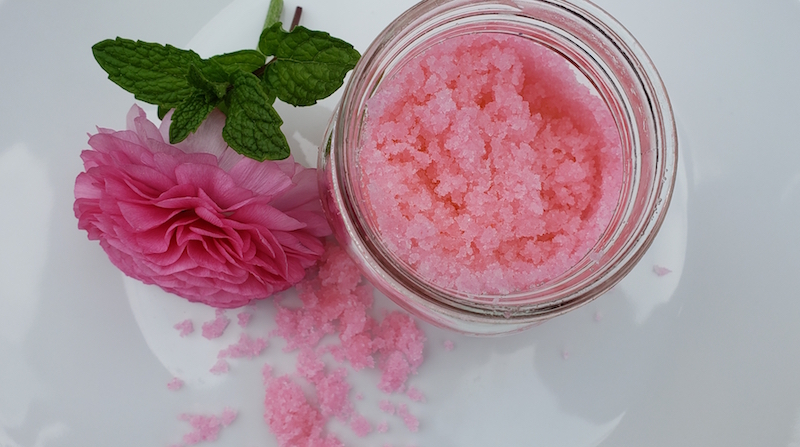
You could even combine a few steps here and mix a touch of your favorite oils with a few spoons of sugar (it should look like dry sand not sugar soup) and gently massage this into the skin. This uses sugar to physically remove dead skin cells while nourishing with an emollient. Simply rinse and pat dry.
Don’t forget body scrubs! Lighter scrubs work great on the face while richer, thicker concoctions are great for a body scrub in the shower.
Essential oils in body scrubs?
Essential oils can absolutely be added to your body scrub mixes but remember essential oils should always be diluted with carrier oils as they tend to be too harsh on their own. Not recommended for use on the face unless super diluted. Use these sparingly around the eyes.
Lavender, tea tree oil, ylang-ylang, rose, lemongrass are all solid choices. Ancient Egypt for example was a fan of frankincense for it’s anti-aging, wrinkle reducing effects.
A word of caution: Citrus essential oils can cause photosensitivity if worn into the sun or exposed to other sources of UV light. We’re talking about exaggerated sunburns and rash. It’s best to wait at least 6 hours if you’re planning serious sun worshiping. I learned this the hard way.
Random note- Raw kiwifruit contains actinidain which will digest milk proteins so be cautious what you mix it with. If you try a mask with kiwi and dairy in it you will get a runny mess!
As everyone’s skin is different I highly recommend you test out your arsenal of healthy, skin loving ingredients first before whipping up a giant batch.
Conclusion-
Be sure to use your humectants before sealing in the moisture with an occlusive and you’ll be fine.
Try out all kinds of combos to see what works best with your personal skin type. Mix it up! You wouldn’t feed your body the same ingredients everyday, don’t do it to your skin. Variety is the spice of life. HAVE FUN! XO
