
Thrips (thrips is both plural and singular) are yet another super tiny winged insect that love to puncture our precious plants and suck them dry. You should suspect thrips if leaves become pale and blotchy and speckled with frass (poop), or worse yet, leaves and flowers become deformed and discolored (known as “color break”). What a waste! I particularly have issues with my beans, freesias and gladiolus. NOOO!
Below is an example of why it is so important to act fast (left), so that you can enjoy more of the beautiful garden (right) you deserve!
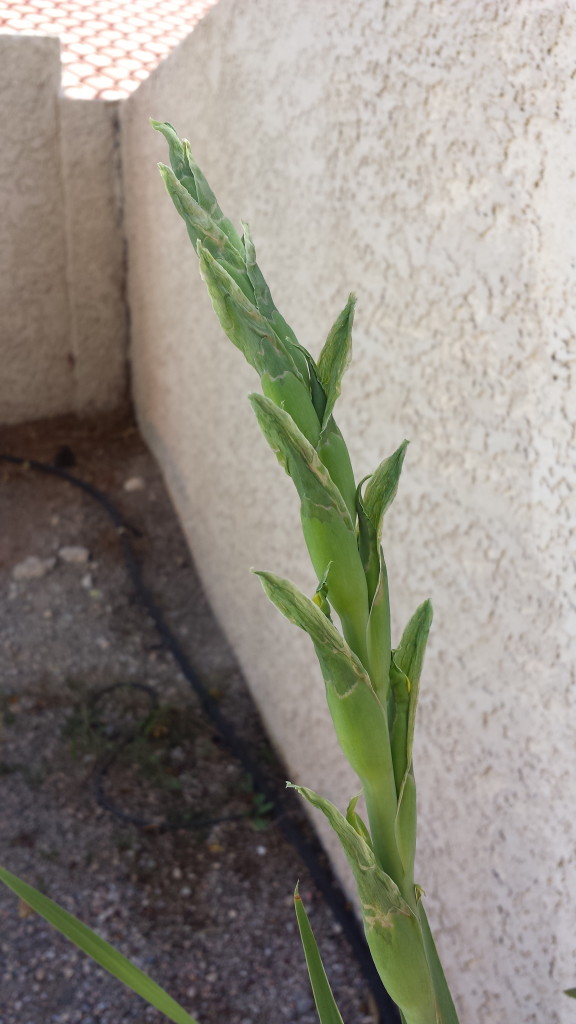
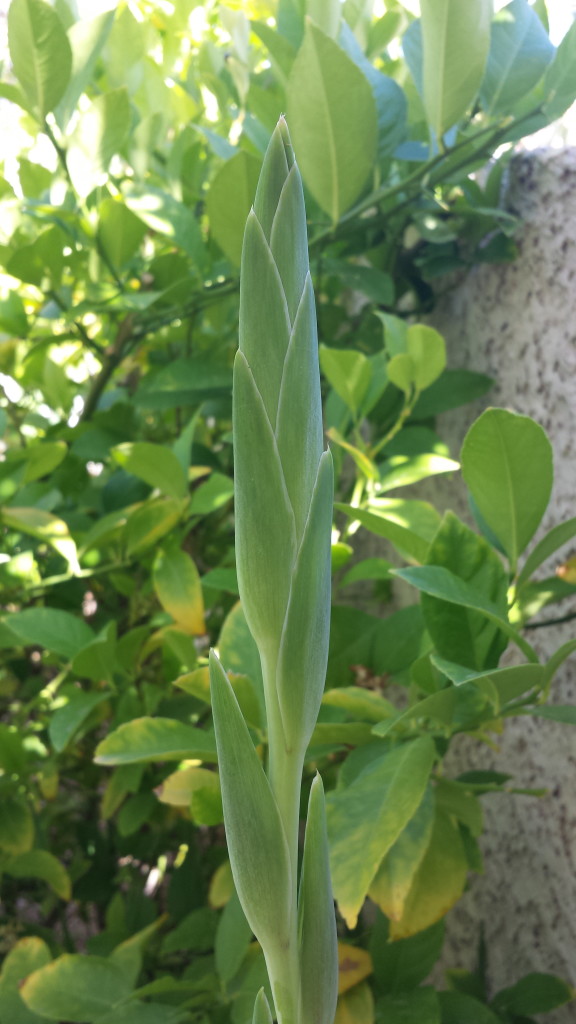
Thrips cannot fly far unless carried on the wind but they can lay eggs without mating, can have up to 8 generations per year, spread tospoviruses, and can overwinter in your soil… so let’s get rid of them before they spread!
Inspect your corms and bulbs each season before planting as thrips can over winter here too. If you live in a cooler climate and dig your bulbs up for the winter don’t bother saving those bulbs from thrips infested plants unless you soak the corms in 2 teaspoons Lysol per half gallon of water for about 6 hours then dry thoroughly before storing or plant while still wet.
If you suspect you have thrips you need immediate treatment.
Let’s start with light infestations-
- Spray them off with a hose just like you would to reduce aphids. (I love the “flat” setting on my hose nozzle. Firm but not firm enough to damage my plant.) Thrips are terrible at traveling so chances are slim that they’ll be able to crawl back up. Be sure not to spray them directly onto surrounding plants.
- Bright blue or yellow sticky traps (easily make your own by slathering a piece of construction paper or painted board with petroleum jelly and placing near plants)
- Remove any heavily infected plants (I even trim leaves and branches as needed) and be sure to discard of safely in a sealed trash container so as not to spread to other areas of your garden. This means no composting!
- Ladybugs, beneficial nematodes (thripinema nickelwoodi), pirate bugs, and green lacewings help control thrips as well as many other common garden pests. Cucumerisis a type of mite that feeds on immature thrips as well as pollen. Ladybugs may be found at your local nursery (grab some praying mantis eggs wile you’re at it!) and check out Naturescontrol.com for a great arsenal of garden friends for purchase as well as tons of info.
- Be cautious not to fertilize plants with heavy nitrogen as this may increase the trips population by providing an abundance of food.
Say what? Of the 5000+ species of thrips, the six-spotted thrip is actually considered a beneficial insect as it helps to control unfavorable thrips populations. Thanks you six-spotted beauties!
For more advanced infestations
Once these suckers are well established in your garden, I’m sorry to say it, but insecticides are your best bet. If you want to save those flowers you have been waiting so patiently for… your plants need to be treated before the buds develop and open. (Herbs and veggies on the other hand may need to be pulled up and destroyed, especially if you are against the use of insecticides on your homegrown food crops.)
Saturate your plants with a product containing carbaryl or acephate. Spinosad has also been recommended and is a natural substance made by a soil bacterium. Insecticides should be applied in the morning when thrips are most active. They tend to avoid the heat of the day by sheltering themselves inside plant crevices so they can be hard to reach.
Be sure to rotate your class of treatment every 2 treatments or so as thrips build a resistance very quickly.
There you go, now you are aware and vigilant. Your darling garden loves you for that! XO
