Not sure about which flowers to include into a pollinator garden? I wasn’t either! It’s difficult to find exact lists for your particular growing climate. So, I decided instead to research what attracted or repelled our little pollinator friends so you can wisely choose your own plants. Here’s what I learned…
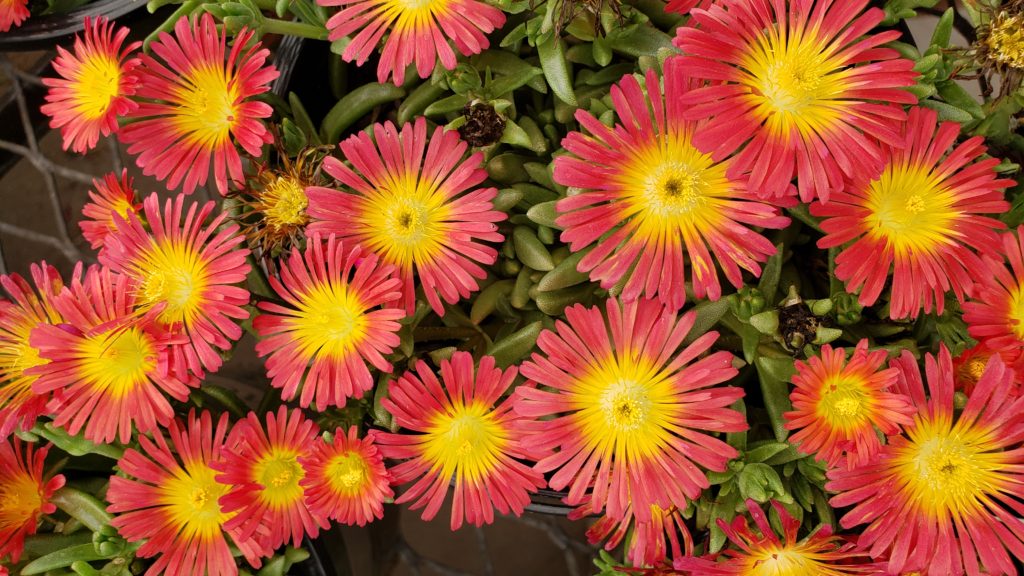
Choosing flowers for a pollinator garden
When choosing flowers for your pollinator garden consider the fragrance, petal shape, color and positioning. How do these factors influence bees, butterflies and hummingbirds? Let’s find out below.
- How fragrance matters
- Petal shape to attract specific pollinators
- Flower color differences
- Planting in full sun vs. shade
- Strategic positioning
- Grow flowers from seed
Worst flowers for a pollinator garden
“Worst” flowers for a pollinator garden you ask? Any flowers are better than no flowers but here are a few things to consider:
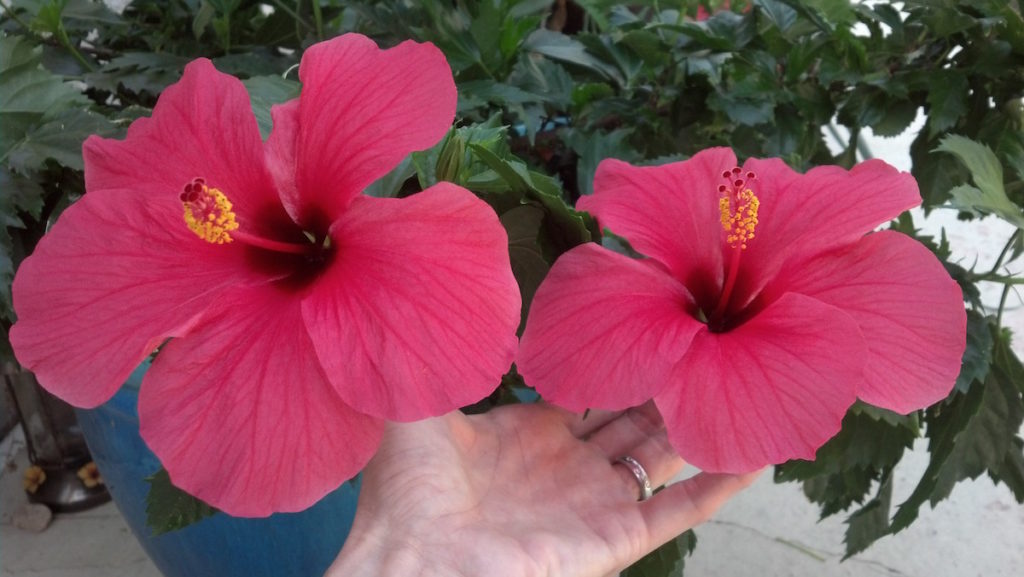
Bees have an outrageous sense of smell even in flight. According to Beekeepercenter.com bees can smell flowers or toxins from at least 2 miles away. So planting flowers with a pleasant fragrance may benefit you, your garden and the bees! Possibly avoid non-scented varieties such as dahlias, poppies, red hibiscus…
Also avoid using scented oils or candles such as mint, lavender, eucalyptus, citronella, lemon and lime oils around your garden during peak pollination hours (day time). According to Westernexterminator.com, that’s what you would do to deter bees. The plants themselves shouldn’t pose a problem, even better if they’re in bloom!
Do marigolds repel bees?
It is said all over the internet that bees do not like the smell of marigolds. From what I understand honey bees are attracted to the pollen. A few pest control sites say marigolds are thought to deter other “bees” like hornets and wasps. Not really sure about that but I know bees love my marigolds and I don’t love wasps and hornets. Win-win.
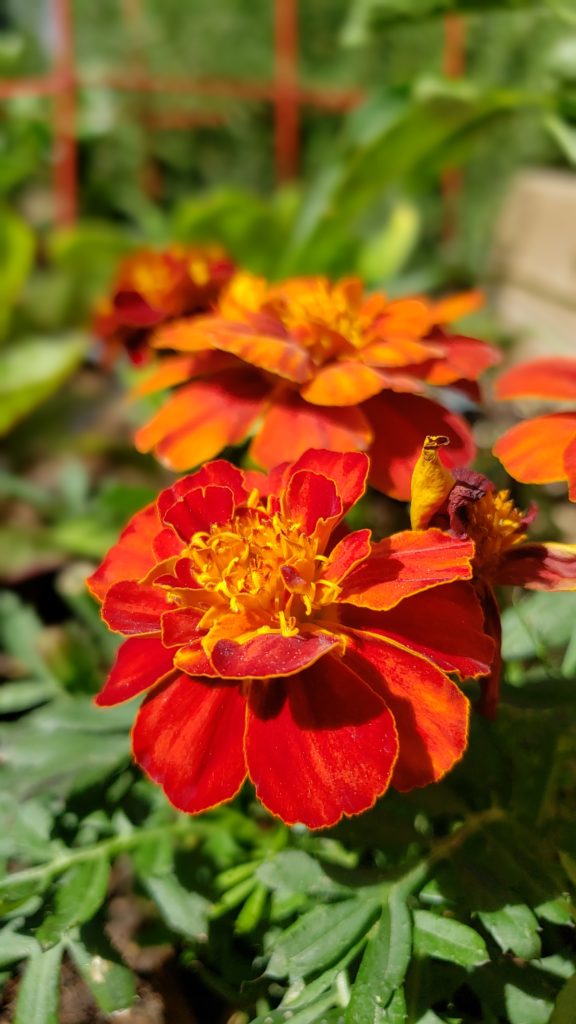
Marigolds 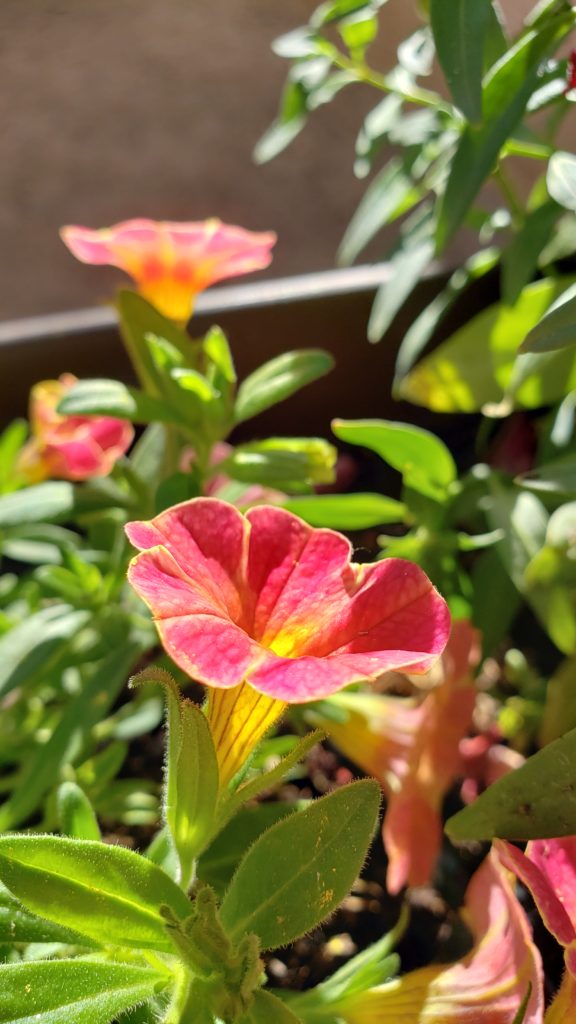
Super Bells. Note the flower shape.
Flower/petal shape
If you are trying to attract bees consider trumpet/tube shaped flowers can take more energy for them to climb in and out of, yet may be favored by butterflies and hummingbirds.
Flower color
Flower color may influence pollination more than we thought. Don’t bother so much with red flowers when trying to attract bee. Sure, bees can smell the flower but when they get up close a bee’s hairy (yes hairy) little eyes can’t tell red from black. Red is out of bee’s visible color spectrum. Bees can also see ultra violet which means they can see colors we cannot. Source news.ncsu.edu.
That said, humming birds love red flowers so it’s not a total loss.
Sun vs shade
Flowers grown in shade often get overlooked. Opt for blooms out in sunny spots, next to you veggies work great! Advertise your garden to the wide open skies, so to speak.
Best flowers for a pollinator garden
Fragrance
Plant great smelling flowers such as roses, lilies, gardenias, chrysanthemums, phlox, lavender, wisteria, lilac, jasmine (not night blooming variety), sweet rocket. You’re not the only one lured by the beautiful scent!
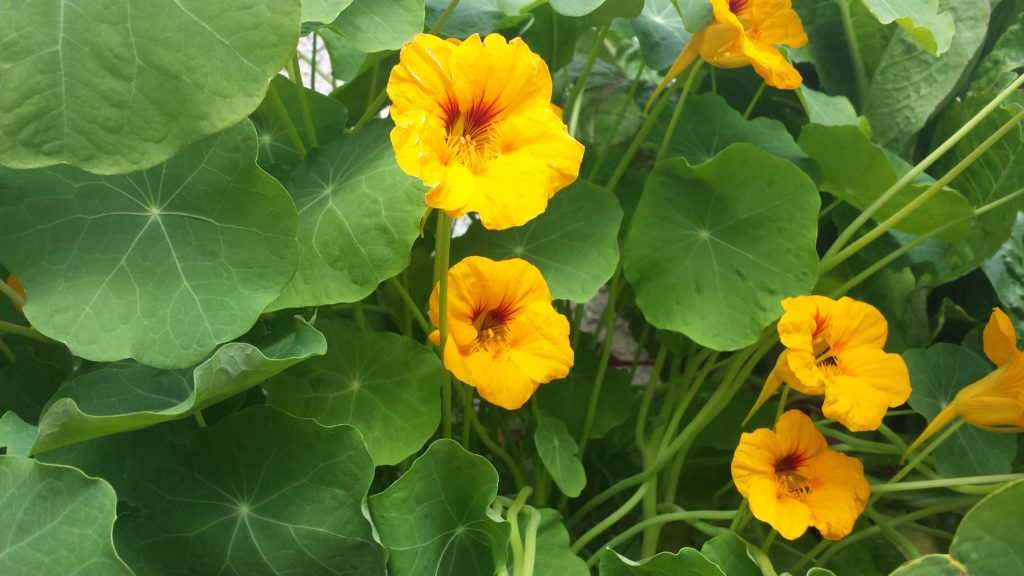
Strategic positioning
Most herbs when left to go to flower/seed are SPECTACULAR at attracting bees. Not only are these located directly in your garden but these plants tend to produce compact masses of flowers. This makes it SO EASY for your little friends to come hand out in your garden! Herbs to try: fennel, mint, sage, rosemary, borage, lemon balm, thyme, and my two personal favorites basil and cilantro/coriander.
When planting flowers, do so in groups like flowers pots set near your garden. Make it look invitingly plentiful, a one-yard-buffet of delicious nectar.
Flower color to attract bees
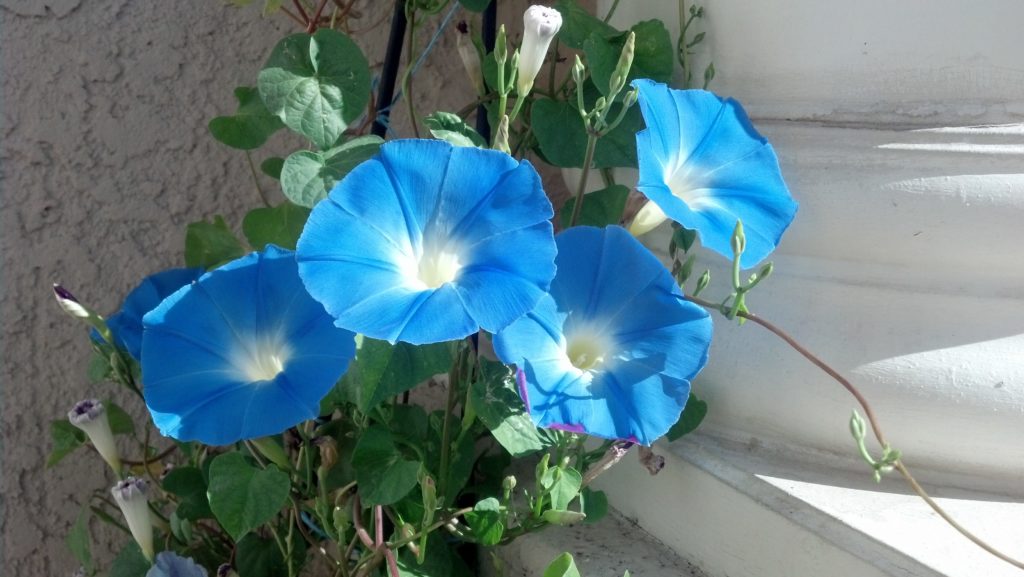
Plant bee attracting flowers in hues of yellow, blue and purple. Favorites: sunflower, violets, crocus, lavender, day lilies,forget me nots, calendula, globe allium, borage, bachelor buttons, hummingbird sage, foxglove…
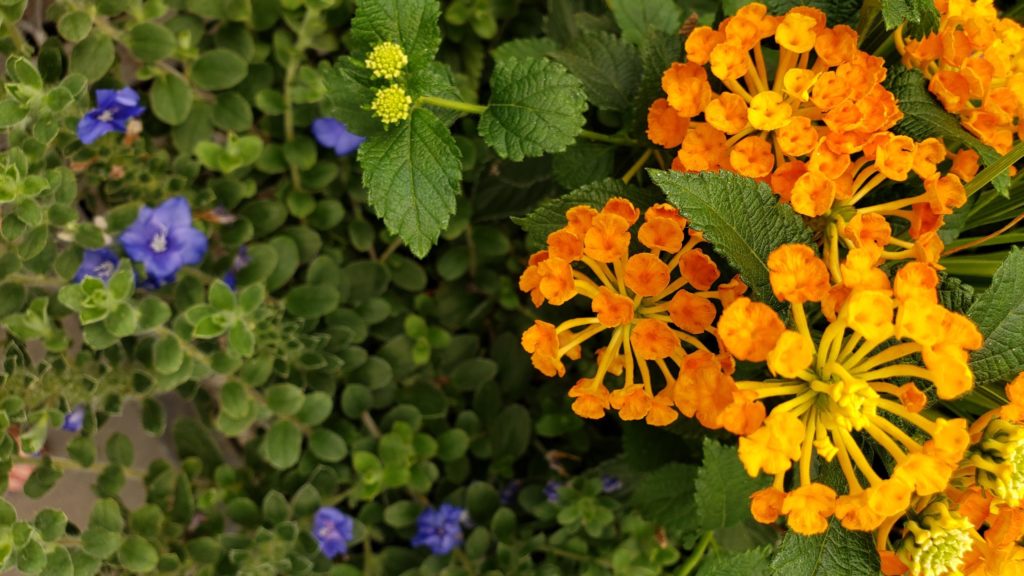
If you’re trying to attract butterflies plant flowers such as butterfly weed, tickseed, yarrow, butterfly bush, milkweed, snap dragons, lantana, black eyed susan, corn flower, golden rod, globe thistle (man those look cool) mallow, trumpet vine/trumpet creeper…
Attract humming birds wth hummingbird mint, zinnias, scarlet bee balm, petunias, trumpet creeper, salvia…
Grow flowers from seed
Grow from seed whenever possible. Avoid plants laced with potent pesticides (like neonicotinoids) like over half of those found in big box stores according to this Wired.com article. Crazy! You could be inadvertently killing the very bees you need.
When in doubt, a packet of local wild flower seeds are always a good bet. Think about it, those plant’s only purpose is to attract pollinators so they can produce seeds. Plants we purchase are those bred to suit our tastes and needs. Go ahead and create a little patch of “wild” in your yard!
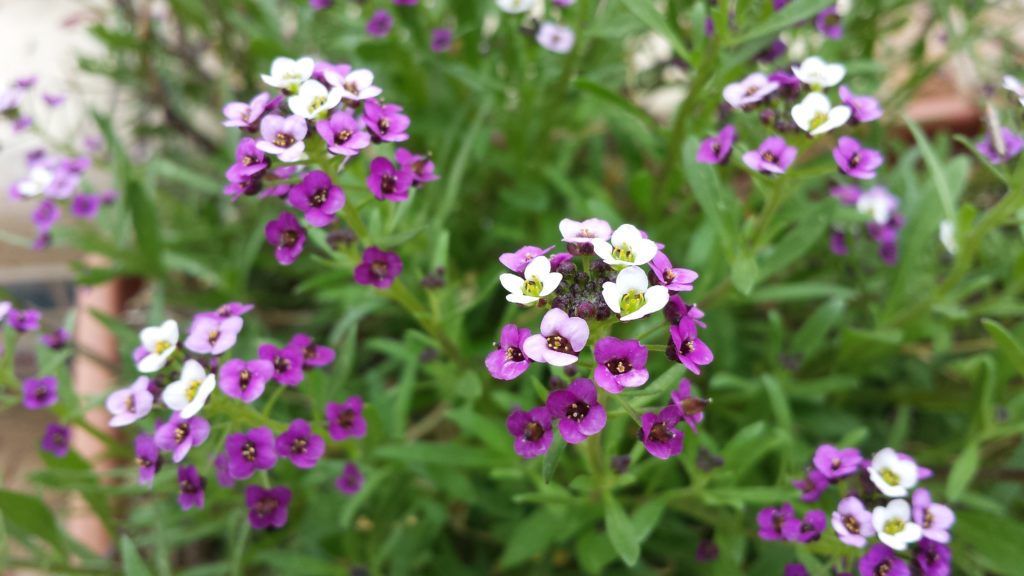
So now that you understand what you should plant and why, it becomes much easier to pick flowers for your intended purpose, yes? You could simply visit a local nursery to choose plants with your eyes and nose alone. Read a packet of seeds, If they have a great fragrance it will most likely say so. Just be sure the plants are suited to your area and you are well on your way to a fully pollinated garden!
Did you have a tip to share? What flowers did you choose? Use the comments below or tag me on instagram @lubba.food.garden to share with the rest of us. I love to see pics! Use the hashtag #ilubbaplants because I know you’e a plant lover too!