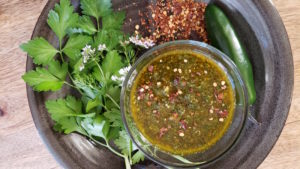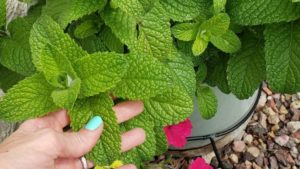
Growing cilantro indoors is a great idea for anyone who considers this herb a culinary staple. Clipping fresh herbs year round livens up any dish!
Don’t even get me started on how much I enjoy my cilantro. If I don’t have it on hand when a Thai craving strikes it sends me into a panic. It’s almost worse than waking up to zero coffee in the house. Let’s not let that happen to you! Follow along as I show you how to grow cilantro indoors, year round.
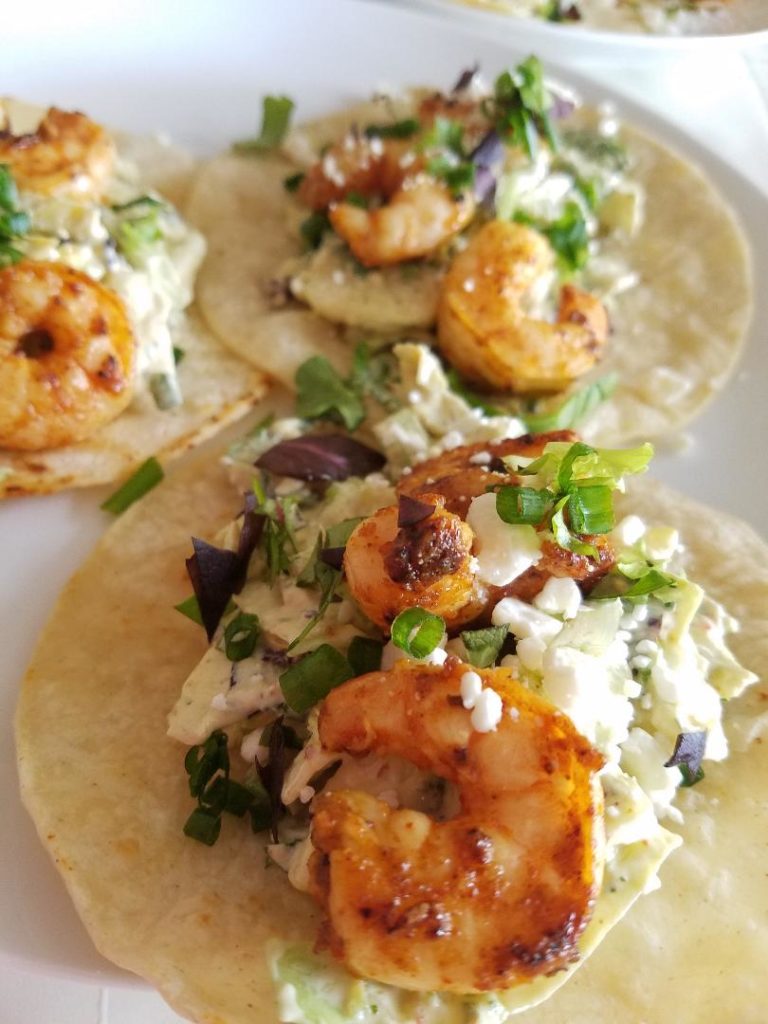
Shrimp tacos. Yes please! 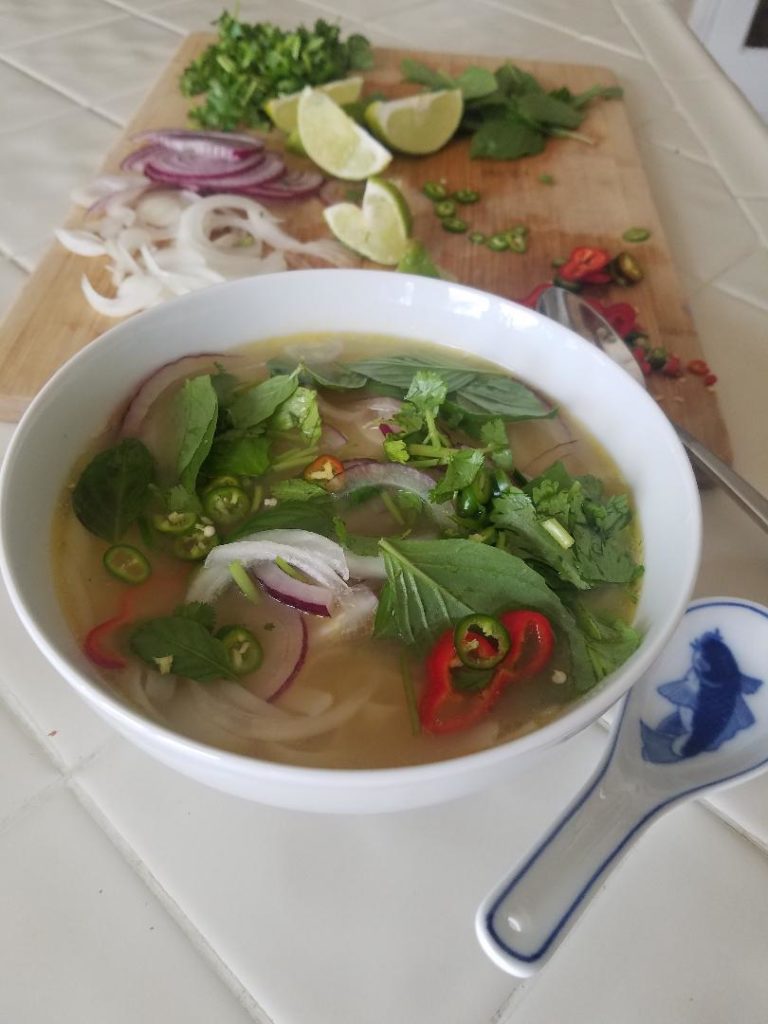
Vietnamese pho.
What are benefits of cilantro? Glad you asked.
Cilantro contains a good amount of potassium which literally helps your heart beat. Last time I checked this was good for the whole family!
According to Dr. Axe cilantro rids the body of heavy metals, protects your heart from oxidative stress and cardiovascular disease, lowers anxiety and improves sleep, lowers blood sugar levels (great for diabetics!), prevents UTIs, aids digestion and protects against food poisoning, supports menstruation, soothes skin irritations, prevents brain inflammation and can protect against colon cancer….
We can’t afford not to grow this!
To grow cilantro indoors for a continual year round harvest at your fingertips, it’s really as simple as:
- Soak seeds overnight or start plants from cuttings.
- Plant seeds in a pot of soil kept in a semi-sunny location.
- Keep soil moist until healthy plant develops.
- Harvest cilantro when it reaches 6 inches or so.
- Repeat every 3 weeks for continual supply. (same pot is fine)
- Collect blooms or seeds (even roots) if you’d like.
- Come up with some killer cilantro recipes and share with us!
Sounds great, but HOW exactly? Let’s dive in…
The soak– Put your cilantro seeds in a little dish and cover with water. Let them soak overnight. Tap water is just fine btw. You may have heard that you need to let tap water sit for 24 hours first to let the chlorine dissipate but it has never been an issue for me and apparently chloramine is used nowadays since it is more stable. So tap water is just fine.
Sprinkle seeds with soil and set in a semi-sunny location (direct sunlight may be too strong) and give them a few days to sprout before moving them to the pot they will live in. Sprinkle with more soil. -OR- simply place the soaked seeds into their pot and cover with a half inch of soil or so.
Sometimes the first method is nice because you know what you’re working with and can space the plants out a bit or select only the biggest, strongest seedlings to plant. Try to give these guys a few inches of space so they can develop big, healthy leaves and roots.
Reseed your cilantro (soaking seeds and planting) every 3 weeks or so to keep a continual supply of fresh herbs at your fingertips. It’s worth the 5 minutes of effort! If you had it planted outside it would bolt continuously and possibly refuse to grow in the hotter months. Sorry, but running to the store constantly just isn’t my thing… eating, however, is. HA!
How often to water cilantro indoors?
Seedlings need a little special attention while they develop. Keep the soil moist.
Established plants do not enjoy being over watered. A deep watering twice a week should be fine. Go ahead and poke your finger into the soil about an inch or two deep. Evenly moist? Soggy? Yeah, let’s not do soggy. If this happens just lay off the watering until the soil dries out a bit.
Here is my quick tip to help revive just about any house plant that you forget to water. Try this…
Sometimes life happens and you’re unable to water your plant. Indoors or out. Maybe an irrigation hose fails. Whatever the case, if you find yourself needing to save a severely dried out plant stay calm.
- Find a bucket, tub, or even a plastic bag large enough to fit your plant in- Pot and all.
- Fill the tub with room temperature water enough to cover the pot and the soil by an inch or two.
- Let it soak for 30 minutes.
- Lift the potted plant out of the water and leave it to drain another 30 minutes.
- (Reuse the tub of water if you’d like to water other plants.)
This can be done outside if weather permits or in the bathtub. Kitchen sink usually works for smaller pots of herbs.
How to grow cilantro from cuttings–
Place fresh cut stems into a small cup of water in indirect light for a few weeks while refreshing the water every few days should work the same as most other herbs as detailed in the article Grow Plants From Cuttings. I find that starting (specifically) cilantro from seed is quicker to harvest, easier and more reliable. If you have a fail proof method for starting cilantro from cuttings, by all means, please share in the comments. Thanks! XO
How to fertilize cilantro indoors-
Fertilizer is not necessary unless you’re using depleted soil (which is never a great idea but can get you by in a pinch). If you have large established plants and feel like you need to give them a boost keep in mind cilantro is prized for its leaves meaning you’ll want a fertilizer heavier in nitrogen. (N) Nitrogen is listed as the first number on a fertilizer in a N-P-K format. Purely as an example, Miracle Grow all purpose plant food is listed at 24-8-16 which means it is primarily focusing on growing lush foliage. Fertilizers will have to be it’s own future post!
How to prune cilantro and keep it from bolting-
Ok, ok, you cannot prevent cilantro from bolting (producing flowers and going to seed signaling the end of the growing season. Which also turns the leaves a bit bitter but I still use them all the time.) You can delay it by snipping or pinching off the tops (new growth) when it begins to grow taller than usual. Picking leaves regularly will also help delay the bolting process.
How to harvest cilantro-
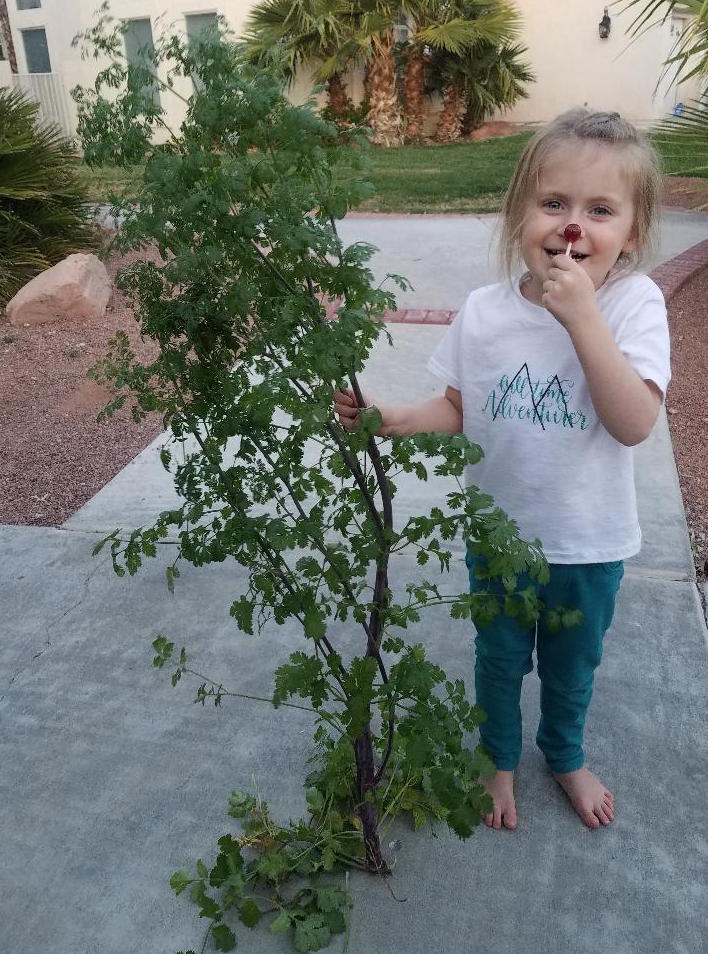
Again, pinching off the new growth on top can help delay bolting but when it comes to collecting leaves for your culinary treats you’ll want to snip or pinch the larger, more mature stems around the base of the plant. If you are regularly reseeding and have a healthy supply you could just hack off what you’d like if you’re not too fussy about it. Just be sure to spare the younger plants so that they can reach maturity.
Can I only eat cilantro leaves?
Eat it all! The entire plant is edible. Blossoms have a lightly spicy, citrusy flavor and make a beautiful garnish sprinkled over grilled skirt steak, carne asada or mixed into a salad.
The roots are used primarily in Thai cuisine and have a stronger peppery flavor. Be sure to wash them thoroughly. Younger roots can use minimal cooking such as stir-fry. Older roots are a bit woodier and could benefit from longer cooking times like broths, stocks, and stews. How about a thai seasoning paste? YES PLEASE!!
Don’t forget the seeds (known as coriander) are great picked green or dried and ground when they are turn brown. Green coriander is popular pickled or ground into pastes or marinades.
How to store cilantro-
An abundance of fresh cilantro sounds like a beautiful problem to me! My favorite method for storing cilantro is to chop it up, put in ice cube trays, cover with water (I hear olive oil and butter work too) freeze them, then move the cubes to a freezer bag.
Next time you’re making chicken tortilla soup, thai ginger and coconut soup, enchiladas, cauliflower rice with cilantro & lime, or simply a cilantro lime butter you’ll be able to use your bumper crop of cilantro! YEAH!

Thai coconut soup! 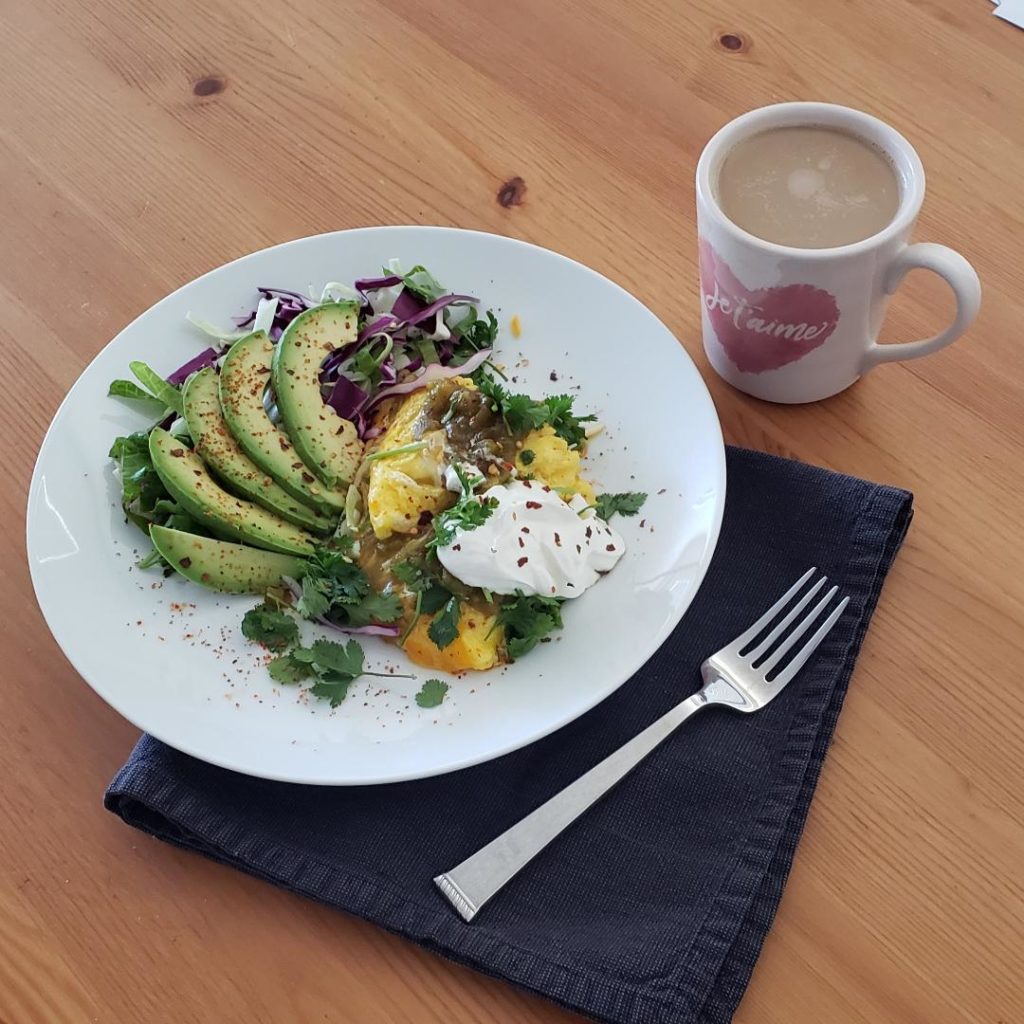
Green chili omelette.
What to do after cilantro flowers?
Simple… Enjoy the beautiful blossoms to add citrus accents to your favorite dishes or let it go to seed! Collect the seeds and let them dry. Voila, the cycle of life continues. Cilantro blossoms are particularly favored by pollinating insects. Great to have in the garden!
Cilantro pests-
Aphids and white fly can be a problem outside but rarely do I see them on indoor plants. Most tiny pests can be handled with an insecticidal soap purchased at most home improvement stores or simply made at home by adding a half of a cup of warm water to a small spray bottle. Add a scant teaspoon of oil (whatever is on hand. Vegetable oil works just fine) add a few drops of a true soap (Dr. Bronner’s soap is my go too. It’s carried by seemingly all health food stores) Shake it up and spray on the under side of the leaves where the little beasts like to hide.
Please test your concoction on a small area of your plant and wait a day for any adverse reaction before dousing the whole plant.
Mildew and wilt can also be a problem outside if debris is left around the base of the plant. Again, not really an issue with indoor plants.
THAT DOES IT! Get yourself a 99 cent pack of seeds and grow cilantro indoors year round! Did you do it? I’d love to see how you did! Tad @lubba.food.garden on Instagram. Use the hashtags #ilubbaplants and #ilubbafood if you love growing your own tasty food like I do!